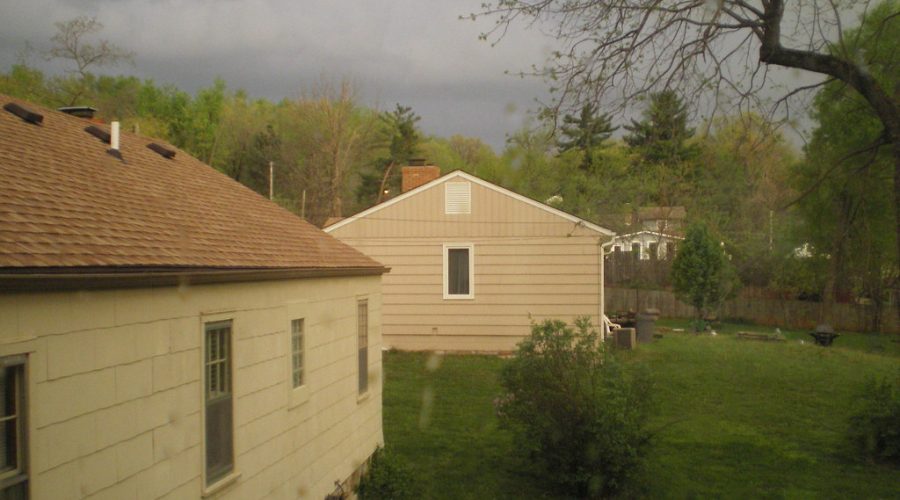


ROCK COUNTY, WI — Tornado season in Wisconsin typically peaks from April through June, with secondary activity possible through August. For Rock County residents, understanding severe weather risks and preparation steps can mean the difference between safety and disaster when dangerous storms approach.
Understanding Rock County’s Tornado Risk
Wisconsin experiences an average of 20-30 tornadoes annually, with Rock County positioned in a region susceptible to spring severe weather systems. The National Weather Service office in Sullivan, Wisconsin (roughly 50 miles northeast of Rock County) monitors conditions and issues warnings for the region. While Rock County has not experienced a major tornado in recent decades, the threat remains real during severe weather outbreaks.
The Rock County Emergency Management Office, located in the County Courthouse at 51 South Main Street in Janesville, coordinates disaster preparedness and response efforts. County officials encourage residents to take tornado warnings seriously regardless of historical frequency.
Creating a Family Tornado Plan
Every household should identify a safe room or shelter location before tornado season arrives. The safest places are interior rooms on the lowest floor away from windows—basements, interior hallways, or small interior rooms like bathrooms or closets. Mobile home residents should evacuate to a designated community shelter when tornado warnings are issued.
Establish a communication plan with family members, especially if they’re separated during a tornado. Designate an out-of-state contact person everyone can reach to relay their location and status. Practice your tornado plan twice yearly so all family members know what to do when sirens sound.
Emergency Alert Systems in Rock County
Rock County uses multiple warning systems to alert residents of tornado threats. The CodeRED emergency notification system can deliver critical alerts directly to phones and devices—understanding how this system works is essential. For a comprehensive overview, consult our CodeRED Rock County Wisconsin emergency alert system guide, which explains registration and notification methods.
Additionally, the Rock County Sheriff’s Office and Janesville Police Department work with the National Weather Service to disseminate warnings. Weather radios with battery backup should be part of every home’s emergency kit. The National Weather Service issues tornado warnings when conditions are imminent—move to your safe location immediately when warnings are broadcast.
Assembling an Emergency Supply Kit
Stock your shelter area with supplies before tornado season. Essential items include water (one gallon per person daily for several days), non-perishable food, a battery-powered radio, flashlights, first aid supplies, prescription medications, and important documents in waterproof containers. Include special items for children and pets in your kit.
Keep your emergency kit easily accessible and review supplies annually. Check battery expiration dates and replace water supplies yearly. For those seeking more detailed guidance on emergency preparedness, subscribe to our daily Rock County briefing for ongoing public safety information and severe weather coverage.
What to Do During a Tornado Warning
When the National Weather Service issues a tornado warning for Rock County, move immediately to your designated safe room. Close interior doors behind you and crouch in a low position away from windows. If outdoors, move away from mobile homes and large buildings. In vehicles, never attempt to outrun a tornado—find a sturdy building or designated shelter instead.
After severe weather passes, check for injuries and take note of any damage. Report utility hazards to appropriate authorities. Janesville Police Department (emergency: 911, non-emergency: 608-755-3100) and Rock County Sheriff’s Office (non-emergency: 608-757-2244) can assist with damage assessment and safety concerns.
Preparation now prevents panic later. Rock County residents who develop tornado plans, assemble emergency supplies, and understand warning systems protect their families when severe weather strikes this season.