This report was written from live scanner audio using automated transcription. Details are unconfirmed and may contain errors.


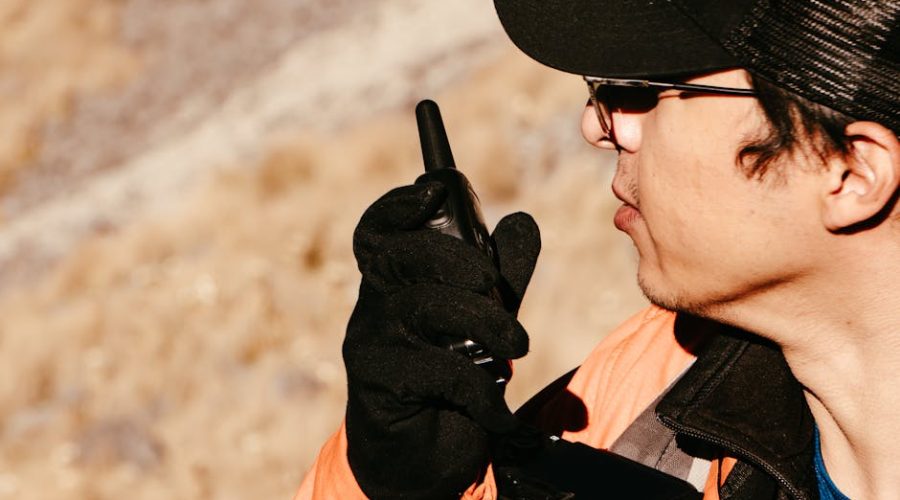
ROCK COUNTY, WI — Listeners to police scanners across Wisconsin frequently hear officers using numerical codes to communicate quickly and efficiently over radio channels. Understanding these 10-codes—standardized shorthand used by law enforcement agencies—provides valuable context when monitoring public safety communications in Rock County and beyond.
What Are Wisconsin Police 10-Codes?
Police 10-codes are brevity codes designed to speed up radio communication and reduce airtime. The “10” prefix originated with early radio protocols and remains standard across most U.S. law enforcement agencies, including departments throughout Rock County such as the Rock County Sheriff’s Office and municipal police departments in Janesville, Beloit, and other communities.
These codes allow dispatchers and officers to convey complex information in seconds, which is critical during emergencies and routine operations. While the Federal Communications Commission does not mandate specific 10-code definitions, Wisconsin law enforcement agencies maintain consistency through training and standard operating procedures.
Common Wisconsin Police 10-Codes
Several codes are universally recognized across Wisconsin agencies:
10-4: Acknowledgment (“message received”)
10-8: In service
10-10: Off duty
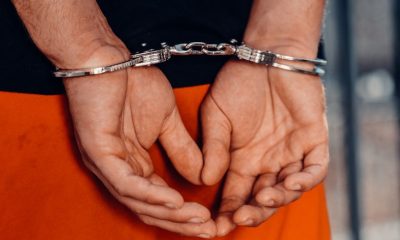
10-15: Prisoner in custody
10-23: Arrived at scene
10-54: Livestock on roadway
10-55: Intoxicated driver
10-78: Officer needs assistance (emergency)
Rock County Sheriff’s Office, headquartered at 51 South Main Street in Janesville (608-743-2191), uses these standardized codes in daily operations across the county’s 724 square miles. Municipal agencies including Janesville Police Department and Beloit Police Department maintain similar protocols for consistency during multi-agency responses.
Regional Variations and Context
While core 10-codes remain consistent, Wisconsin agencies may employ additional codes specific to local conditions. For example, 10-54 references livestock on roadways—a code reflecting Wisconsin’s agricultural heritage and the practical needs of rural law enforcement in areas like the Town of Turtle and other Rock County communities.
When monitoring scanner traffic, it’s important to recognize that codes may be used differently depending on the agency and situation. A code that means one thing on a Janesville Police Department channel might have slightly different application on the Rock County Sheriff’s Office frequency, though the core meaning remains consistent.
Understanding Scanner Communications
Effective scanner monitoring requires familiarity with both 10-codes and the context of calls. For instance, when dispatchers reference death investigations in rural areas like the Town of Turtle, multiple codes may be used to coordinate response and evidence preservation. Similarly, reports of drug-related arrests typically involve codes indicating custody status and investigative procedures.
Those interested in deeper understanding of Rock County public safety communications should subscribe to our daily Rock County briefing, which contextualizes scanner activity and provides background on ongoing incidents.
Training and Standardization
Wisconsin POST (Peace Officer Standards and Training) certification programs ensure that dispatchers and officers maintain standardized communication protocols. This training is mandatory for all law enforcement personnel in the state, including those at the Rock County Sheriff’s Office and municipal departments.
The use of 10-codes also appears in official reports and incident documentation. Agencies reference Wisconsin Statutes—particularly Wis. Stat. § 111.31 regarding labor relations in public safety—when establishing communication standards and protocols.
Events like the 31st Annual Rock County Law Enforcement Memorial Ceremony underscore the professionalism and training that Rock County law enforcement brings to daily operations, including standardized communications.
Scanner Monitoring as Civic Engagement
Understanding police 10-codes empowers citizens to follow public safety activities in their communities. Scanner monitoring is a legitimate form of civic engagement that builds public awareness of law enforcement operations and resource allocation across Rock County.
For comprehensive, contextual coverage of Rock County public safety incidents and police operations, 608scanner.com provides real-time monitoring, decoded communications, and investigative reporting that brings clarity to scanner traffic.
Stay up to date on Rock County public safety with the free daily 608 Scanner briefing, or become a member for live scanner audio and full searchable transcripts.